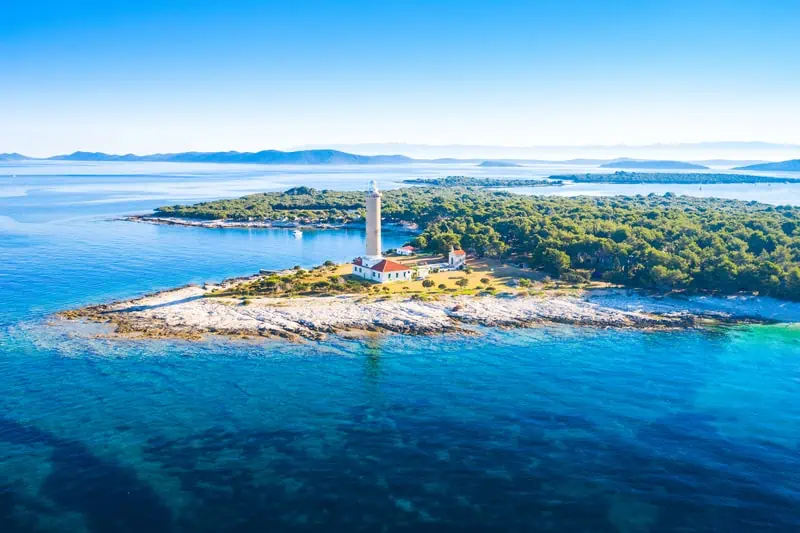
Dugi Otok
Known for the Telašćica Nature Park and the Veli Rat lighthouse, this island features dramatic cliffs and salt lakes.
Visit the lighthouse at sunset for views of the open sea.
The Zadar Archipelago stretches across the Adriatic with more than 300 islands, only a handful inhabited. This guide covers which islands are reachable by public ferry, what each offers, and how to plan a day trip or longer stay from the mainland.
Quick answer
The islands near Zadar include Ugljan, Pašman, Dugi Otok, Silba, Olib, Molat, Iž, Rava, and Premuda—most are connected by daily ferry from Zadar's harbour. Ugljan and Pašman lie closest, with crossings under 30 minutes; Dugi Otok requires 90 minutes. Morning departures between 07:00 and 10:00 secure space and let you explore before midday heat.
Zadar County's archipelago holds the highest island count of any Croatian region, yet fewer than ten see regular visitor traffic. The islands form a broken chain parallel to the coast, each separated by narrow channels that funnel the maestral wind and keep summer temperatures bearable. Ugljan and Pašman sit so close to the mainland that residents commute daily; Dugi Otok extends 45 kilometres to the northwest and anchors Telašćica Nature Park at its southern tip. The Zadar Archipelago divides into inner and outer rings. The inner islands—Ugljan, Pašman, Iž—are agricultural, their eastern shores dotted with olive groves and small harbours. The outer islands—Dugi Otok, Silba, Premuda—face open Adriatic swells and carry a different ecology: stone-pine forests, sea cliffs, and beaches that drop steeply into deep water. Kornati National Park begins where the archipelago fragments into 89 uninhabited islets, most designated as protected marine zone. Ferry routes radiate from Zadar's passenger terminal near the old-town peninsula. Jadrolinija operates the backbone schedule: Ugljan sees up to twelve crossings per day in summer, Dugi Otok three to four. Smaller carriers serve Silba, Olib, and Premuda on seasonal timetables. No bridge connects any island to the mainland. Vehicle ferries depart from Gaženica port, three kilometres south of the city centre, and require advance booking during July and August. Each island presents a different rhythm. Ugljan functions as a suburb, its ferry dock five minutes from Zadar and its shoreline developed with weekend houses. Pašman, linked to Ugljan by a short bridge, holds two Benedictine monasteries and a coastline of white pebble beaches. Dugi Otok stretches long enough to require a car or scooter; its western flank drops into Telašćica's fjord-like bay, and its northern end meets Sakarun Beach, a shallow crescent backed by pine scrub. Silba bans motor vehicles entirely—visitors walk narrow stone paths between harbours or cycle unpaved tracks through the interior. The archipelago is accessible year-round, though service contracts sharply after September. Winter ferries link only Ugljan, Pašman, and Dugi Otok, and many island restaurants close until Easter. The clearest distinction among the Zadar islands lies not in scenery but in infrastructure: some have asphalt roads and ATMs, others dirt tracks and a single seasonal konoba.
“Zadar County's archipelago holds the highest island count of any Croatian region, yet fewer than ten see regular visitor traffic.”
The best arrival window for the Zadar Archipelago is between 07:00–10:00 to mitigate mid-day heat and ensure availability on morning transport. Planning your visit within this timeframe allows for a more controlled experience before peak thermal and visitor intensity.
Pleasant, 20°C–25°C
Ideal for comfortable exploration before the peak summer heat arrives.
Hot, 28°C–32°C
Requires early morning starts to avoid the midday sun and manage high visitor volumes.
Warm, 23°C–27°C
Sea temperatures remain high while visitor numbers decline after the school holidays.
—
Mid-week mornings offer the quietest conditions for transit and island access.
Verdict: The optimal time to visit is from May to June or September, arriving between 07:00–10:00 on weekdays to avoid heat and maximize accessibility.
The Zadar Archipelago is accessed primarily through the Port of Zadar (Gaženica) and the Zadar Old Town ferry terminal. Travelers utilize regular ferry and catamaran services managed by Jadrolinija and Mia Tours to reach major islands such as Ugljan, Dugi Otok, and Silba.
Jadrolinija Ferry 431 Zadar–Preko
Jadrolinija Catamaran 9406 Zadar–Dugi Otok
Mia Tours Catamaran 9404 Zadar–Silba–Olib
Jadrolinija Ferry 401 Zadar–Ist–Molat
Prioritize arrival at the port between 07:00 and 10:00 to avoid mid-day heat and ensure availability on your preferred ferry connection.
Access to the Zadar Archipelago is free of charge for general exploration. Please note that specific national parks, protected areas, or private island facilities may implement their own individual entrance fees.
Verdict: The base cost for accessing the islands is 0 EUR, though your total expenses will vary depending on if you choose to enter specific national parks or private sites.
The Zadar archipelago remains accessible 24 hours a day, seven days a week. Please note that actual visitation windows depend entirely on public ferry schedules and private boat availability.
The Zadar Archipelago consists of numerous islands, each offering distinct geological formations and coastal landmarks. These sites highlight the diversity of the Adriatic landscape near the Zadar coast.
Known for the Telašćica Nature Park and the Veli Rat lighthouse, this island features dramatic cliffs and salt lakes.
Visit the lighthouse at sunset for views of the open sea.
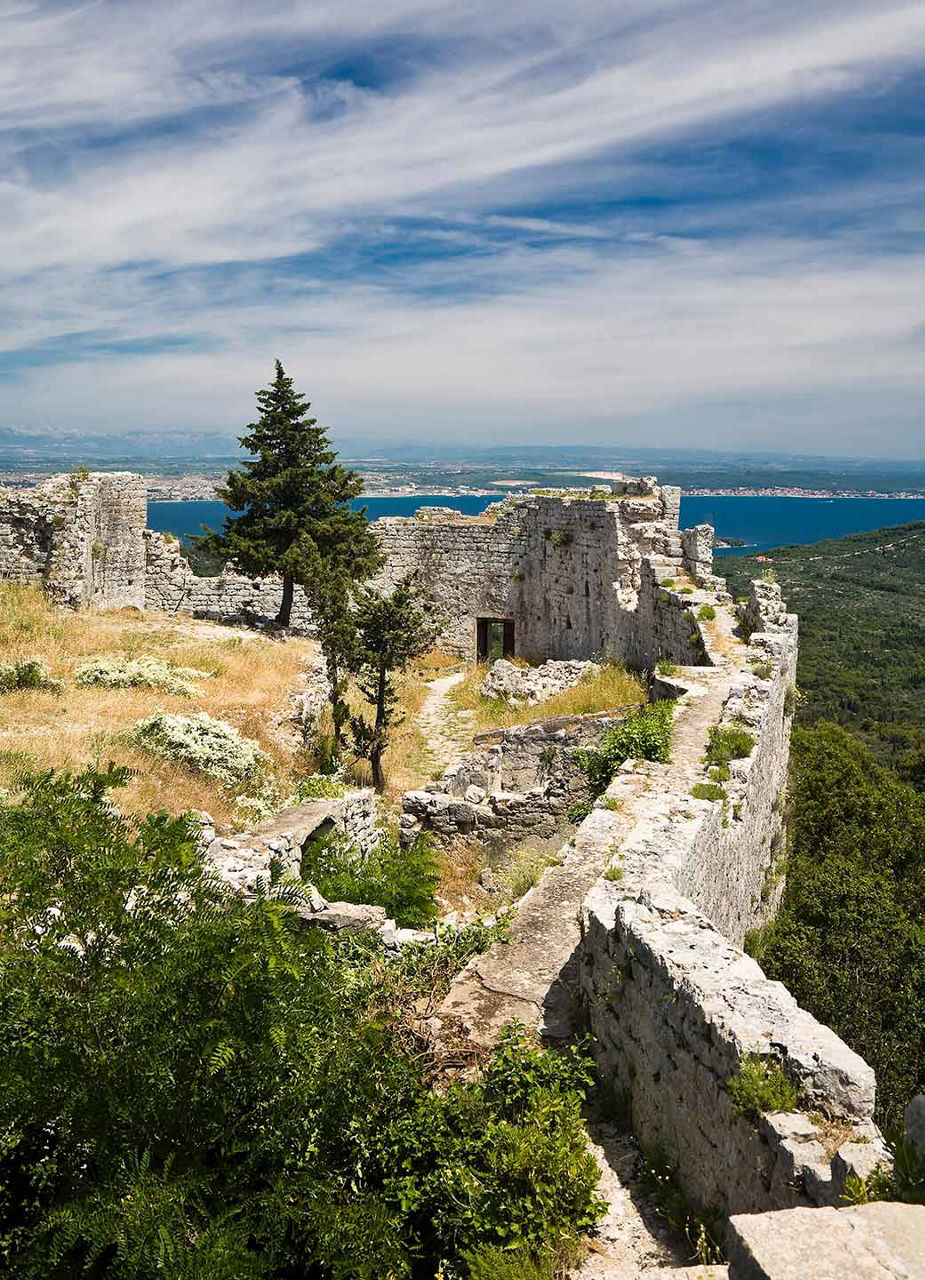
Often called the green island, it is marked by the Saint Michael Fortress which offers panoramic views of the archipelago.
Hike to the fortress during cooler morning hours for visibility.
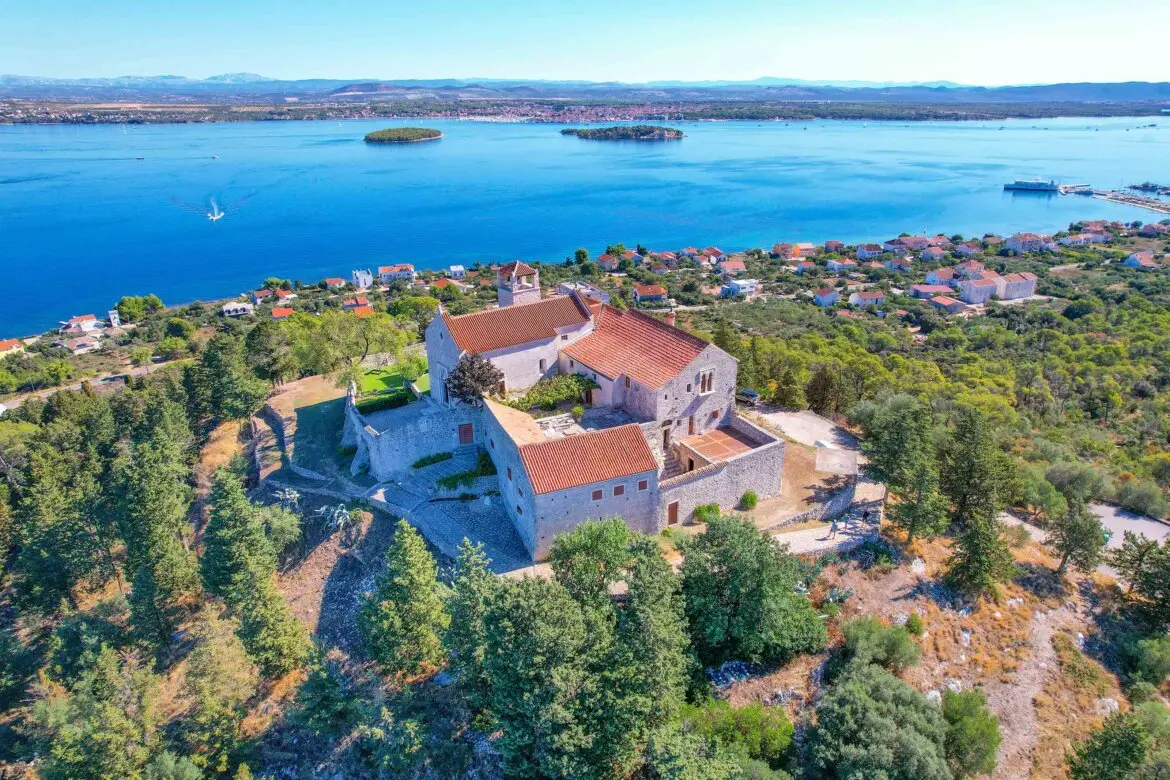
This island is characterized by its traditional fishing villages and the Benedictine Monastery of Saints Cosmas and Damian.
Explore the monastery grounds to observe local architectural heritage.
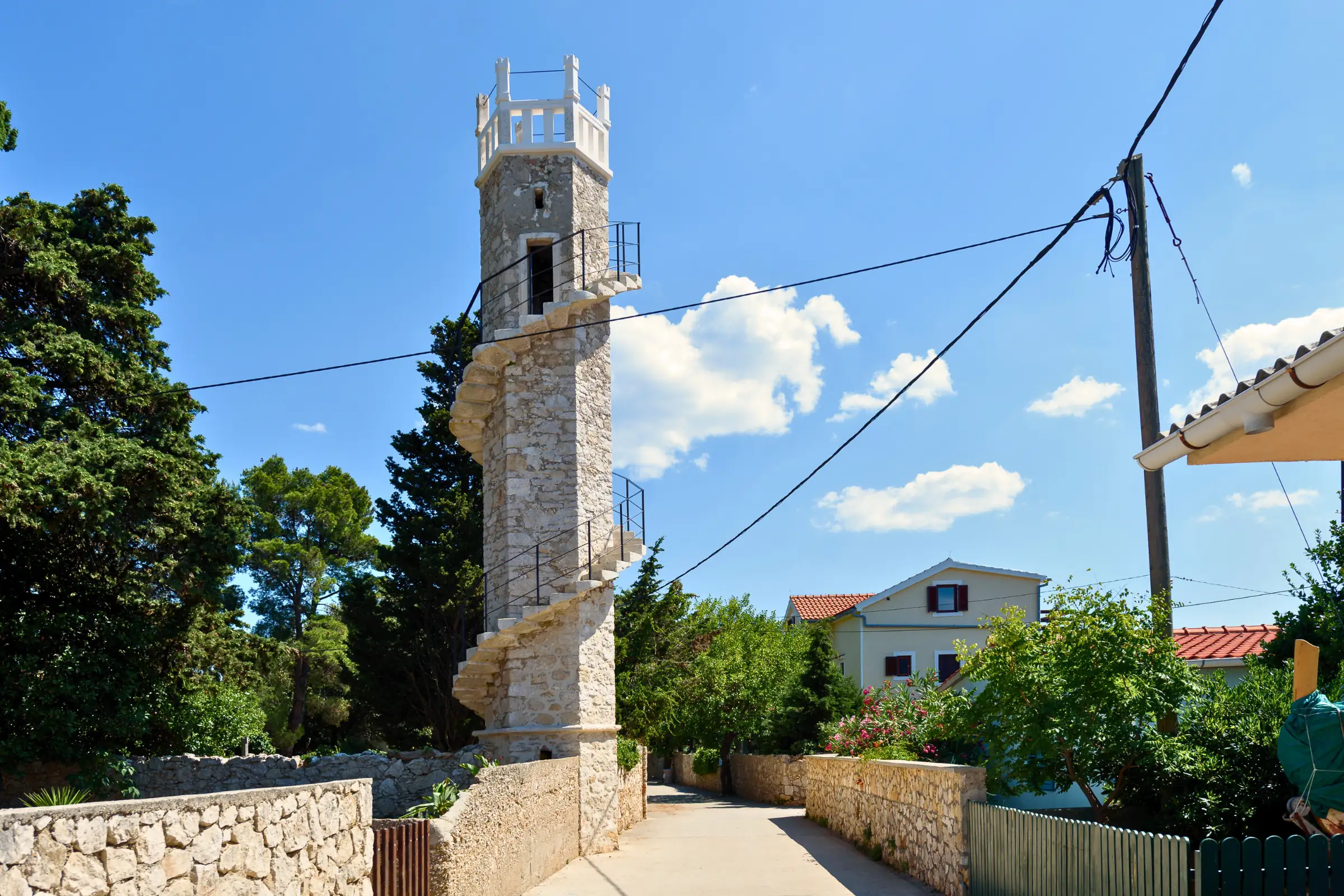
Known as the island of pedestrians, it lacks motorized traffic and features the unique Toreta tower.
Climb the Toreta structure for a clear view of the village.
Preparation ensures a smoother experience when navigating the diverse terrain of the Zadar Archipelago.
Carry more fresh water than you anticipate needing, as many smaller coves lack shops or potable water sources. Refill your bottles in Zadar before departure to stay hydrated throughout the day.
Wear water shoes or sturdy sandals with grip to protect your feet from sharp limestone rocks and sea urchins common in these waters. Avoid flip-flops when walking along rocky coastlines to prevent injury.
Check the local DHMZ forecast specifically for wind conditions like the bura or jugo, which can affect boat schedules and sea comfort. If high winds are predicted, prioritize islands closer to the mainland for easier returns.
UV exposure is intense near the water, so bring a wide-brimmed hat and high-SPF sunscreen. Natural shade is sparse on many smaller islands, making personal sun protection essential.
Limit your luggage to a single lightweight backpack to navigate ferry gangways and rocky paths easily. Bringing bulky bags makes moving between islands and boarding smaller transfer boats difficult.
Everything you need to know about islands near zadar
Many visitors choose Ugljan, Pašman, or the Kornati National Park when exploring islands near Zadar for their proximity and distinct character. These destinations offer a mix of historical villages, secluded coves, and clear Adriatic waters suitable for various itineraries. Each location provides a unique glimpse into the Dalmatian way of life within the wider Zadar archipelago. You should plan your journey to these islands near Zadar by checking local ferry schedules and boat connections. Booking in advance or arriving early ensures you have reliable transport to and from the mainland throughout the summer season. The best arrival window is between 07:00 and 10:00 to avoid mid-day heat and secure space on morning ferries to the islands. This timing helps travelers manage the summer temperatures effectively while exploring the Zadar island tour route. Access to the general Zadar archipelago is free, with an entrance fee of 0 EUR. However, please note that individual islands or protected national parks may have separate fees for entry or specific activities. Ferries and maritime transport generally operate daily, with schedules accessible through official travel portals or local port authorities. Reliable maritime transport connects the city port to various destinations throughout the region. Families frequently visit these islands near Zadar as many beaches are accessible and offer calm, shallow waters. We recommend checking individual island facilities for child-friendly amenities such as playgrounds or shaded picnic areas before departure.